

A hooded figure engaged in hacking using a laptop and smartphone in low light.
| |

Who Needs to Be Told? Notifying Data Subjects After a Breach

Should you notify individuals after a breach? UK GDPR requires it if their risk is high. Here’s how to assess that. If a data breach is likely to result in a high risk to the rights and freedoms of individuals, you must inform them without undue delay. High-risk examples: Your message should: Clear and timely…

Masked hacker with credit card at computer, symbolizing cybercrime and anonymity.
|

What Counts as a Data Breach Under UK GDPR?

Not every cyber incident is a GDPR breach. Here’s how to know when you must act. Under UK GDPR, a data breach isn’t just a hack — it’s any security incident that leads to: Examples: Understanding what qualifies as a breach is the first step toward compliance. If in doubt, treat it seriously and investigate…

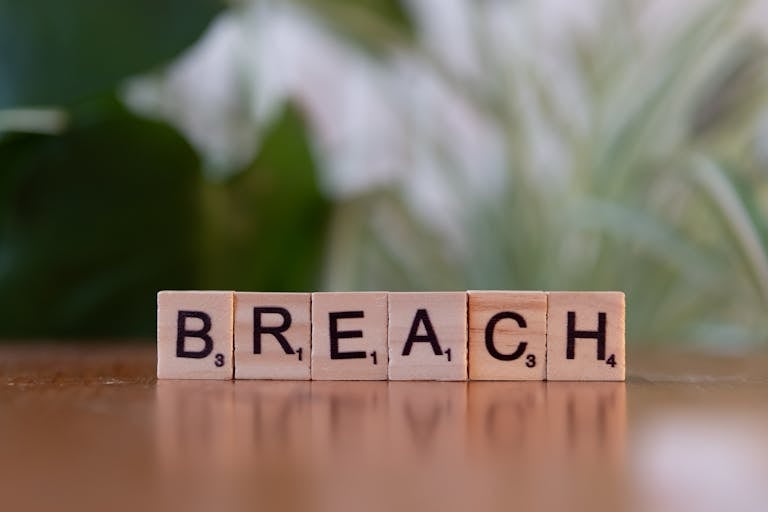
Wooden letter tiles spell 'Breach' against a blurred natural background, concept of security or violation.
|

The 72-Hour Rule: When and How to Notify the ICO

Fail to notify the ICO of a notifiable breach within 72 hours, and your risk of fines increases. Here’s what to know. When a personal data breach occurs and is likely to result in a hig risk to individuals, you must notify the Information Commissioner’s Office (ICO) within 72 hours of becoming aware. Your report…

Mysterious figure wearing a Guy Fawkes mask, illuminated by computer screens in a dark room.
| |

Breach Risk Increases With Ageing Data

The older the data, the more dangerous it becomes. Here’s why ageing data is a hidden security risk. Most cyber breaches don’t happen with fresh data — they happen with old, forgotten, poorly protected files. Why? Retention = risk control. Regularly deleting old personal data significantly reduces the impact of a breach — both legally…